Quick answer: To earn AI citations as a B2B SaaS brand, structure content for direct, factual answers, build third-party authority on sources like G2, Capterra, and industry publications that AI engines already trust, and track which buyer questions currently name your competitors instead of you.
Introduction
Generative engine optimization is the practice of earning citations inside AI answer engines like ChatGPT, Claude, Perplexity, and Gemini, and in 2026 it has become the deciding factor in whether B2B buyers ever hear your name. Traditional search still matters, but the research phase now happens inside conversational AI, where a single-sourced recommendation carries more weight than a page-one ranking. B2B buyers increasingly ask an AI who to trust before they visit a website, submit a form, or talk to sales. When your competitors are cited, and you are not, you lose the shortlist before the evaluation even begins. The brands winning this shift are not the ones spending more on legacy tactics; they are the ones being quoted as the answer. For more, see how GoBlinkly gets SaaS cited in generative search.
Key Takeaways:
Generative engine optimization earns your brand citations inside AI answers, capturing buyers during the research phase before a sales conversation happens.
Traditional SEO ranks pages, while AEO makes your brand the referenced source that AI engines quote directly to buyers.
A dual-channel approach that strengthens both Google visibility and AI citations produces compounding, defensible B2B growth.

Why AI Answer Engines Rewrote B2B Buyer Research
The B2B buying journey has moved upstream into AI conversations, where buyers ask direct questions and receive synthesized recommendations instead of ten blue links. This changes the fundamental unit of visibility: it is no longer a ranking position; it is a citation. If a decision-maker asks an answer engine which vendors solve their problem, the tools named in that response form the initial shortlist, and everything downstream flows from that moment.
What Changed in How Buyers Discover Vendors
Buyers now compress hours of comparison research into a handful of AI prompts, and the sources those engines pull from decide which brands surface. Recent studies on how AI shapes B2B buying show that professionals rely on generative answers to build vendor lists, evaluate options, and narrow choices before any human contact. The practical shifts look like this:
Research starts in chat: Buyers open ChatGPT or Perplexity before they open Google, framing their problem as a question rather than a keyword.
Recommendations replace results: The engine returns a curated set of named vendors, not a page of links to sift through.
Trust transfers to the source: Brands cited in the answer inherit the engine's authority, arriving pre-vetted in the buyer's mind.
Silence equals absence: If an engine never names you, you are functionally invisible during the highest-intent moment of the funnel.
The Limits of a Ranking-Only Mindset
Legacy SEO was built to win index positions, but answer engines do not hand traffic to the highest ranker; they synthesize an answer and cite the sources they trust most. That distinction exposes the AI search visibility gaps that leave otherwise well-ranked SaaS brands entirely unmentioned in generative responses. A history of search engine optimization shows every era rewarded a different signal, and the current era rewards being quotable, structured, and corroborated across the third-party sources models already trust. Optimizing for rank without optimizing for citation means competing hard for a channel buyers increasingly skip.

How to Earn Reliable AI Citations
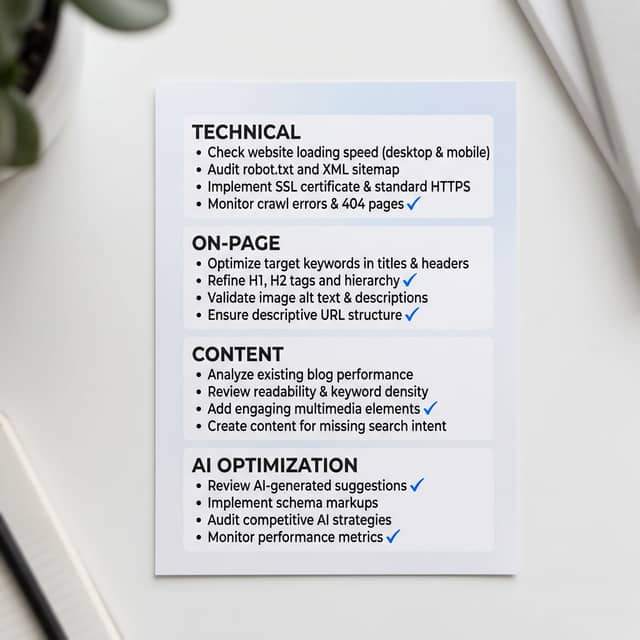
Getting cited by ChatGPT and other engines comes down to three things working together: content built to be quoted, technical clarity that lets models parse your site, and external corroboration on sources the engine already references. GoBlinkly organizes these into a Dual Channel Visibility Framework (see B2B SaaS SEO checklist for dual-channel growth) that treats strong SEO as one of the inputs that earns citations, not as a competing goal.
The Mechanics of Getting Cited
AI engines pick brands by evaluating consistency, authority, and clarity across the sources they ingest, which is why isolated content rarely earns a mention on its own. Understanding how AI citations work reveals that models favor claims they can corroborate in multiple trusted places, so a single blog post without external reinforcement carries little weight. Reference-grade content answers specific buyer questions directly, uses clean structure the model can extract, and aligns with the way LLM response recommendations are assembled. The AI engine recommendation mechanisms reward brands that show up repeatedly as the clearest, best-corroborated answer to a real question.
Measuring What Actually Moves Revenue
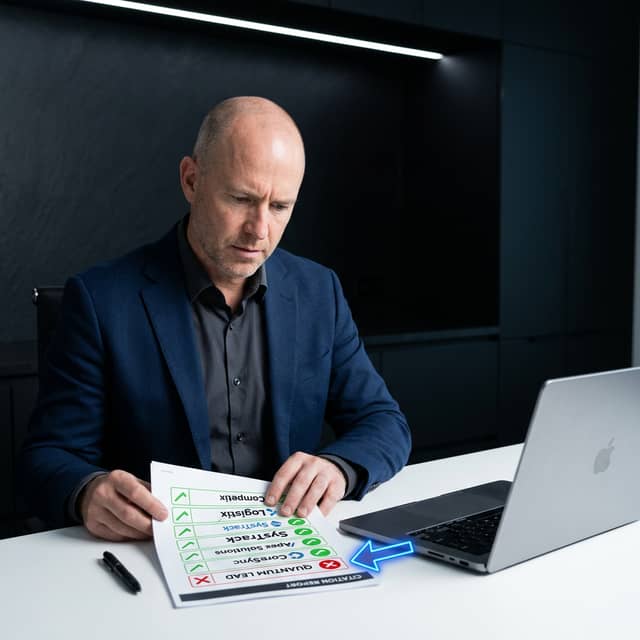
Citations only matter if you can track them and tie them to pipeline, so measurement has to move beyond generic traffic dashboards. Practical AI citation tracking monitors which buyer questions name your brand across each engine, how often, and whether that presence is expanding or eroding against competitors. This is where the value of AI citations and conversion value becomes clear, because AI referrals have been shown to convert at roughly 4.4 times the rate of organic search (Semrush, 2025). GoBlinkly starts every engagement with a free competitor visibility audit that shows exactly which buyer questions name a rival instead of the client, then measures success on citations and the pipeline they produce rather than vanity rankings.

Conclusion
The B2B research phase now happens inside AI answers, and the brands cited there win the shortlist before a form is ever filled. Traditional ranking still has a role, but it is one input into the larger goal of becoming the source engines quote when buyers ask who to trust. Brands should audit where competitors are cited, and where they are not, invest in reference-grade content and off-site authority, and track citations as the metric that ties directly to revenue. The advantage compounds: every corroborated mention makes the next citation easier to earn, building a standing lead that late movers struggle to close. Staying silent in AI search means conceding the customer research phase entirely.
Ready to see exactly which buyer questions name a competitor instead of you? Run a free competitor visibility audit with GoBlinkly and find out where your brand stands across every major answer engine.
Frequently Asked Questions (FAQs)
What is Answer Engine Optimization?
Answer Engine Optimization is the practice of structuring your content and authority, so AI answer engines like ChatGPT and Perplexity cite your brand as a trusted recommendation when buyers ask questions.
How do I get cited in ChatGPT?
You get cited by publishing reference-grade content that directly answers buyer questions, making your site easy for models to parse, and earning corroborating authority on the third-party sources these engines already trust.
Why is AEO better than SEO for reaching B2B buyers?
AEO reaches buyers during the AI research phase where shortlists are formed, whereas traditional SEO competes for clicks on a search results page that many B2B buyers now skip entirely.
How can I improve AI visibility fast?
Start with an audit of which buyer questions name competitors instead of you, then prioritize reference-grade content and external corroboration, since first citations typically appear within 30 to 60 days.
How do AI answer engines pick which brands to recommend?
They favor brands whose claims are clearly structured and corroborated across multiple trusted sources, rewarding consistency and authority over raw ranking position.
Is AEO necessary for B2B SaaS growth?
Yes, because buyers increasingly form vendor shortlists through AI answers, and brands absent from those responses lose visibility at the highest-intent stage of the funnel.
About the Author
David Mercer is an AI Search & Content Strategist at GoBlinkly, where he helps B2B SaaS companies build AI search visibility across ChatGPT, Claude, Perplexity, and Gemini. He has worked with SaaS marketing teams across North America on reference-grade content development, buyer question research, and off-site authority building for AI citation eligibility.